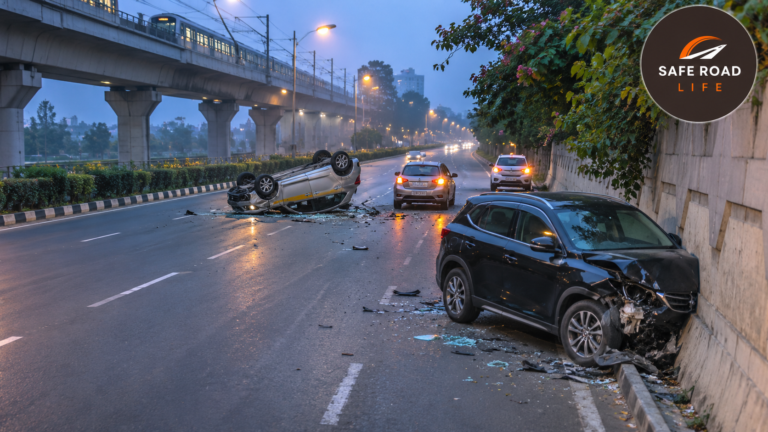
A routine journey can change in seconds. A collision, a sudden stop and emergency crews rushing to help are reminders of how quickly road conditions can become dangerous.
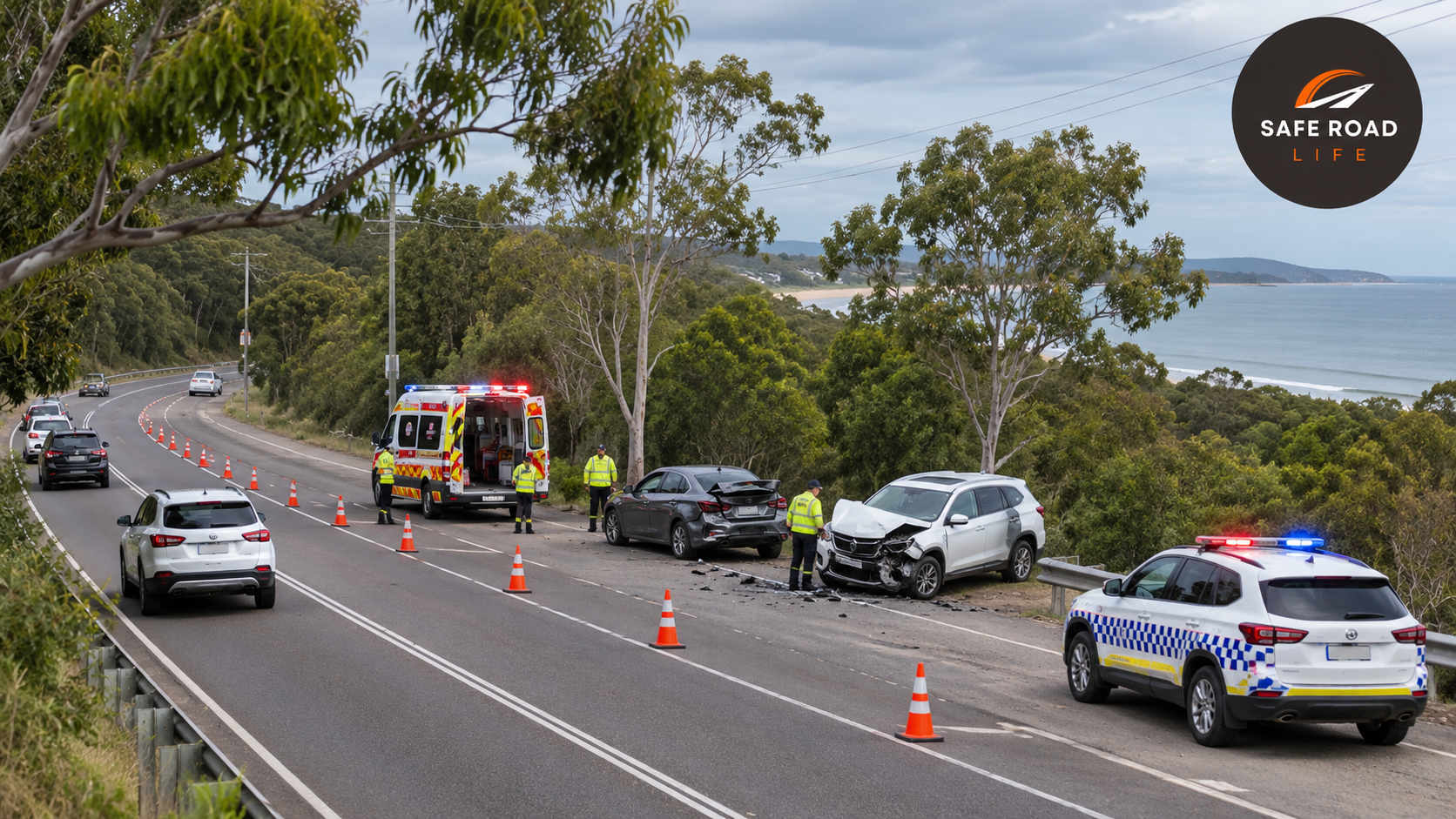
A two-vehicle crash was reported on Yeppoon Road, near Fred Lawn Drive, in Queensland, Australia, on Tuesday, 3 November 2026. The incident was reported shortly after 1:00 PM local time. Emergency services responded, and the early report described one patient as being in a life-threatening condition.
What happened on Yeppoon Road?
According to a report by The Courier-Mail, two vehicles were involved in a collision on Yeppoon Road near Fred Lawn Drive, close to Capricorn Coast Hospital and Health Service.
The report said Queensland Ambulance Service transported a man with head and chest injuries to Rockhampton Hospital in stable condition. A second patient was being assessed in a life-threatening condition at the time of the report. Several Queensland Fire Department crews also attended to assist police with an entrapment.
The same report said Yeppoon Road was closed in both directions near the crash site, with traffic diverted onto Rockhampton Road while emergency crews worked.
Important: These are preliminary details available at the time of writing. The report did not establish what caused the collision. No conclusion should be drawn about speed, distraction, alcohol, road conditions or the actions of either driver unless investigators confirm those details.
Six road-safety lessons every driver can take from this incident
1. Leave enough space to stop safely
Following too closely reduces the time available to react when traffic slows suddenly. Queensland’s Department of Transport and Main Roads says drivers must leave sufficient distance to stop safely; its tailgating information uses a two-second gap as a practical reference in suitable conditions. Increase that gap in rain, darkness, poor visibility or when carrying a heavy load.
2. Choose a speed that gives you time to respond
Do not treat the posted speed limit as a speed you must always maintain. Slow down when approaching bends, junctions, side roads, queues or changing traffic conditions. A safe speed is one that allows you to remain in control and stop within the distance you can see to be clear.
3. Keep your attention on the road
A mobile-phone alert, a navigation adjustment or a conversation that takes your eyes away from traffic can make you miss a developing hazard. Set your route before moving, keep the phone out of your hands and stop somewhere safe before making changes.
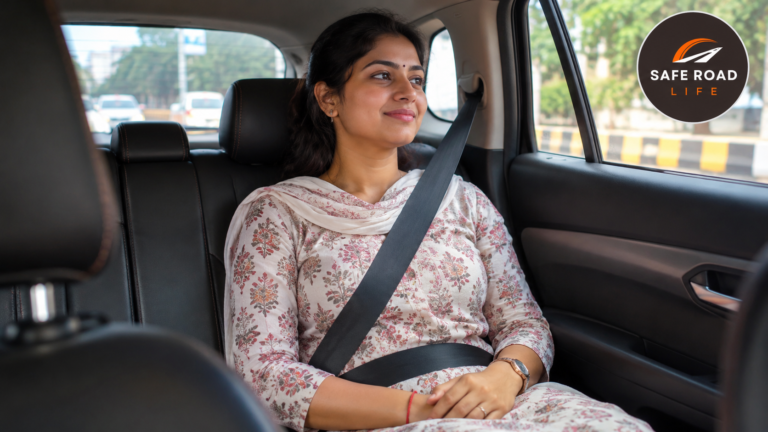
4. Wear your seat belt on every trip
Every occupant should use the appropriate seat belt or child restraint, including people travelling in the rear seats. A short journey is not a reason to skip a belt. Check that it is fitted correctly and is not twisted or trapped behind the body.
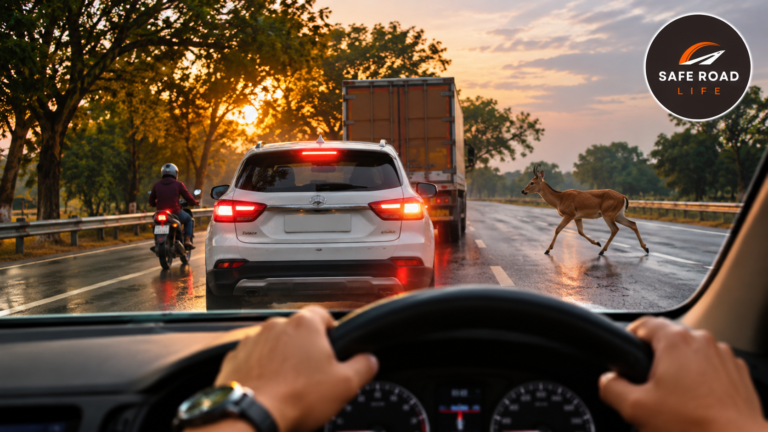
5. Scan ahead and anticipate other road users
Look beyond the vehicle directly in front. Watch for brake lights, vehicles waiting to turn, cars entering from side roads, cyclists, pedestrians and traffic building up ahead. Avoid sudden lane changes and never assume another driver has seen you.
6. Know what to do when a serious crash occurs
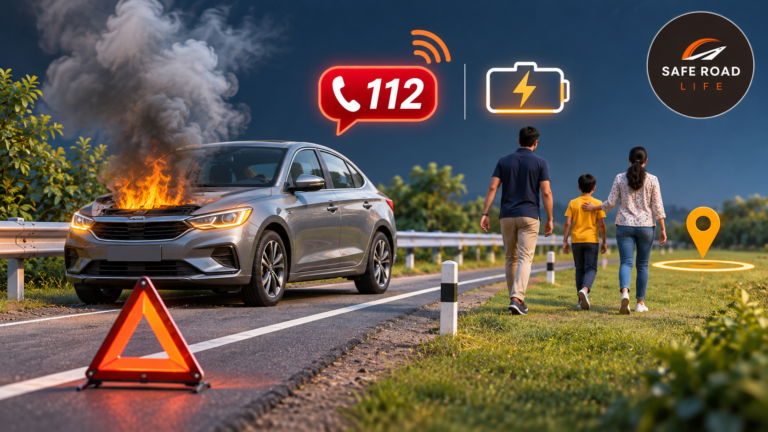
If you are involved in or witness a crash, protect yourself from moving traffic and contact emergency services when anyone is injured or in danger. In Queensland, the Police Service directs people to call Triple Zero (000) for emergencies involving injury or immediate danger. Give the operator the exact location, the number of vehicles and the help required. Do not block access for responding crews.
Do’s: Build safer driving habits
- Maintain a safe following distance and increase it when conditions worsen.
- Adjust speed to traffic, visibility, road layout and weather.
- Keep both hands available to control the vehicle and avoid distractions.
- Make sure everyone is wearing the correct restraint before moving.
- Check mirrors and blind spots before changing lanes or turning.
- Stay patient around queues, junctions and emergency-response activity.
- Leave a clear path for ambulances, fire crews and police vehicles.
Don’ts: Avoid these dangerous behaviours
- Don’t tailgate or compete for small gaps in traffic.
- Don’t speed to make up for lost time.
- Don’t use a handheld phone while driving.
- Don’t assume a familiar road is always predictable.
- Don’t drive when fatigue, alcohol, drugs or medication affects your ability.
- Don’t crowd a crash scene to take photographs or videos.
- Don’t share unverified claims about the cause or people involved.
Why these precautions matter
More time to react: A safe gap and appropriate speed give drivers more opportunity to respond to sudden changes.
Better protection: Seat belts and child restraints help reduce the risk of serious injury in a collision.
Fewer avoidable conflicts: Staying alert and signalling clearly helps other road users understand your intentions.
Faster emergency access: Keeping the scene clear and calling for help promptly allows emergency personnel to reach people who need assistance.
A short safety check before your next drive
- ☐ Seat belts and child restraints are correctly fastened
- ☐ Phone is put away and navigation is set
- ☐ Mirrors are adjusted and visibility is clear
- ☐ Tyres, lights and brakes appear safe
- ☐ I am alert, fit to drive and not under the influence
- ☐ I have planned enough time and will keep a safe gap
A crash report is not a licence to guess what happened. It is an opportunity to remember what every road user can control: attention, speed, space and responsible decisions.
Our thoughts are with everyone affected by the Yeppoon Road collision. We hope those receiving medical care make the best possible recovery.
Drive Safe Stay Safe
@SafeRoadLife
Sources and further reading
- The Courier-Mail – Yeppoon Road two-vehicle crash report, 3 November 2026
- Queensland Department of Transport and Main Roads – Safe following distance and tailgating
- Queensland Police Service – The Fatal Five road-safety risks
- Queensland Police Service – Reporting a traffic crash and emergency contacts
About the Author