
Twenty-four people lost their lives and another 24 were injured. A journey home along Kenya’s Nairobi–Mombasa highway ended in tragedy on 25 October 2026. Behind every number are people, families and communities whose lives have changed forever.
The bus was carrying passengers returning to Mombasa after attending a church pastor’s funeral in western Kenya. The collision happened in the Kanga area near Mtito Andei. The reported death toll rose to 24 as some injured passengers later died in hospital.
Authorities and media reports described differing accounts of the collision and raised concerns about dangerous overtaking. The full circumstances were still being investigated in the reports reviewed for this article. It would be wrong to present one suspected factor as a proven cause.
This article is not about blame. It is about the safety decisions that every driver, passenger, fleet operator and transport manager can make before the next journey.
A road tragedy is never just a headline
When a bus or truck is involved in a serious crash, the consequences can reach far beyond the vehicles. Passengers may be travelling to work, visiting relatives, attending a ceremony or simply returning home. People waiting at the other end of the journey may never receive the arrival they expected.
That is why professional driving is not measured by how quickly a vehicle reaches its destination. It is measured by whether everyone reaches it safely.
Seven road-safety lessons every driver must remember
1. Never turn overtaking into a gamble
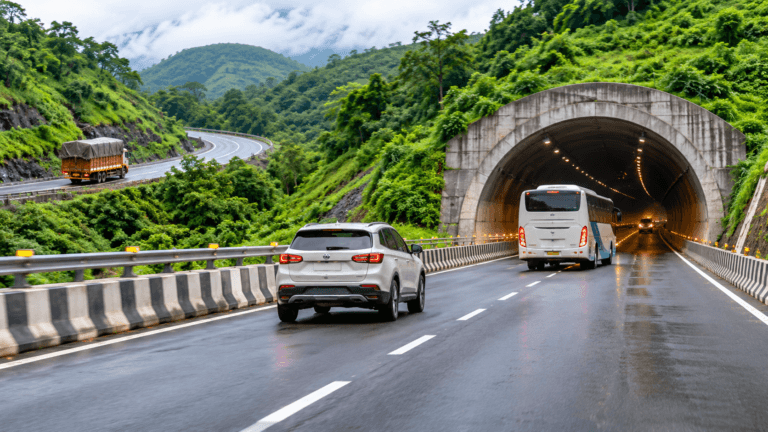
Overtake only where it is legal and the road ahead is clearly visible, with enough distance and time to complete the manoeuvre safely. Never follow another vehicle blindly into an overtake. If there is doubt, stay in your lane.
2. Control speed and leave room to react
Choose a speed appropriate to visibility, traffic, road surface, curves, weather and vehicle load. Keep a safe following distance. A heavy vehicle needs substantial space to slow down and stop.
3. Fatigue is a serious driving risk
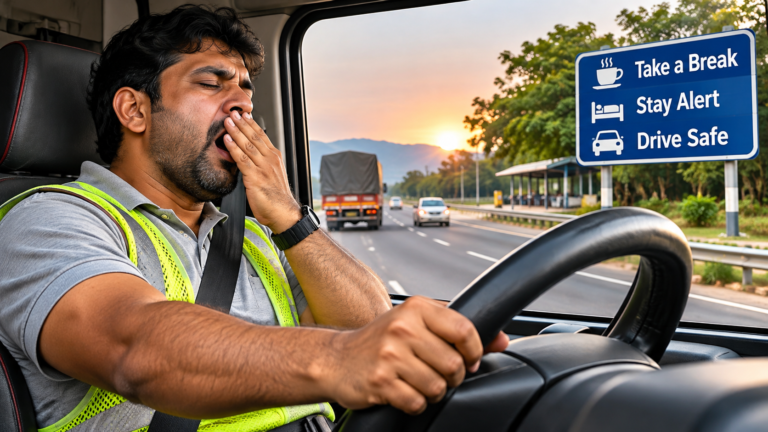
Plan realistic duty periods and rest breaks. Drivers should never begin or continue a journey when they are struggling to stay alert. Fleet operators must not allow unrealistic schedules to pressure drivers into unsafe decisions.
4. Make seat belts non-negotiable
Drivers and passengers should use available seat belts throughout the journey. Bus operators should check that belts are fitted, accessible and working, and should clearly tell passengers to buckle up before departure.
5. Inspect the vehicle before departure
Check tyres, brakes, steering, lights, mirrors, windscreen, wipers, warning devices and emergency equipment. For goods vehicles, verify that the load is within limits and properly secured. Do not dispatch a vehicle with a safety-critical defect.
6. Respect lane discipline and road warnings
Signal early, avoid sudden lane changes, maintain a safe position and obey signs, road markings and temporary traffic controls. Be especially cautious near junctions, work zones, villages and known crash-prone sections.
7. Passengers and operators also have a role
Passengers should speak up when a driver is speeding, using a phone or overtaking dangerously, when it is safe to do so. Operators should support drivers who refuse an unsafe trip, investigate safety complaints and reward safe conduct—not speed.
Do’s: habits that protect lives
- Do plan the route, journey time, rest stops and weather conditions.
- Do obey speed limits and slow further when conditions require it.
- Do overtake only when legal, clearly visible and genuinely safe.
- Do maintain a safe gap from the vehicle ahead.
- Do wear a seat belt and ensure passengers use available belts.
- Do complete and record a pre-trip vehicle inspection.
- Do stop at a safe place if tired, unwell or unable to continue safely.
- Do report vehicle defects, dangerous behaviour and unsafe schedules.
Don’ts: behaviours that put everyone at risk
- Don’t overtake on blind bends, near hill crests or where markings prohibit it.
- Don’t assume the road is clear because the vehicle ahead has started overtaking.
- Don’t speed to recover lost time or meet an unrealistic schedule.
- Don’t drive while drowsy, distracted or under the influence of alcohol or drugs.
- Don’t use a handheld mobile phone while driving.
- Don’t tailgate, race, weave through traffic or brake aggressively.
- Don’t ignore tyre, brake, steering, lighting or load defects.
- Don’t allow passengers, supervisors or dispatch teams to pressure a driver into an unsafe decision.
The benefits of responsible driving
- Fewer serious crashes: safer speed, proper overtaking and space to react reduce exposure to high-risk situations.
- Better protection for occupants: correctly used seat belts reduce the risk of death and serious injury in a crash.
- More reliable journeys: planned rest, vehicle checks and realistic schedules reduce avoidable disruptions.
- Lower operating costs: smoother driving and preventive maintenance can reduce harsh braking, vehicle wear and unplanned downtime.
- Stronger safety culture: when operators support safe decisions, drivers are more likely to report risks before they become tragedies.
- Peace of mind for families: the most important result is that people return home safely.
A message for bus and truck operators
Road safety cannot rest on the driver alone. Operators and fleet managers must set realistic schedules, check driver fitness, maintain vehicles, monitor unsafe behaviour and ensure that safety concerns are acted upon. A departure should be delayed when a vehicle or driver is not safe to travel.
The question every driver should ask
“Am I driving to reach my destination—or am I taking risks that could prevent me from ever reaching home?”
Someone is waiting for you. Your family does not need you to arrive a few minutes earlier. They need you to arrive safely.
Do not compete with time. Do not gamble with lives. Make every journey a safe journey.
DRIVE SAFE. STAY SAFE.
@SafeRoadLife
Incident reporting and further reading
This article uses the reported collision as a road-safety learning case. The casualty figures and passenger journey are based on published reporting; the exact sequence and cause should be treated as under investigation, not as a final finding.
- Associated Press: Bus crash in Kenya kills 24 near the site of a previous fatal accident
- Citizen Digital: 24 killed in bus–lorry collision along Nairobi–Mombasa highway
- Kenya News Agency: Pastors Fellowship calls for dual carriageway after Mtito Andei crash
- World Health Organization: Road traffic injuries
About the Author





2 thoughts on “Kenya Bus–Truck Crash: 24 Lives Lost and 7 Road Safety Lessons Every Driver Must Learn”