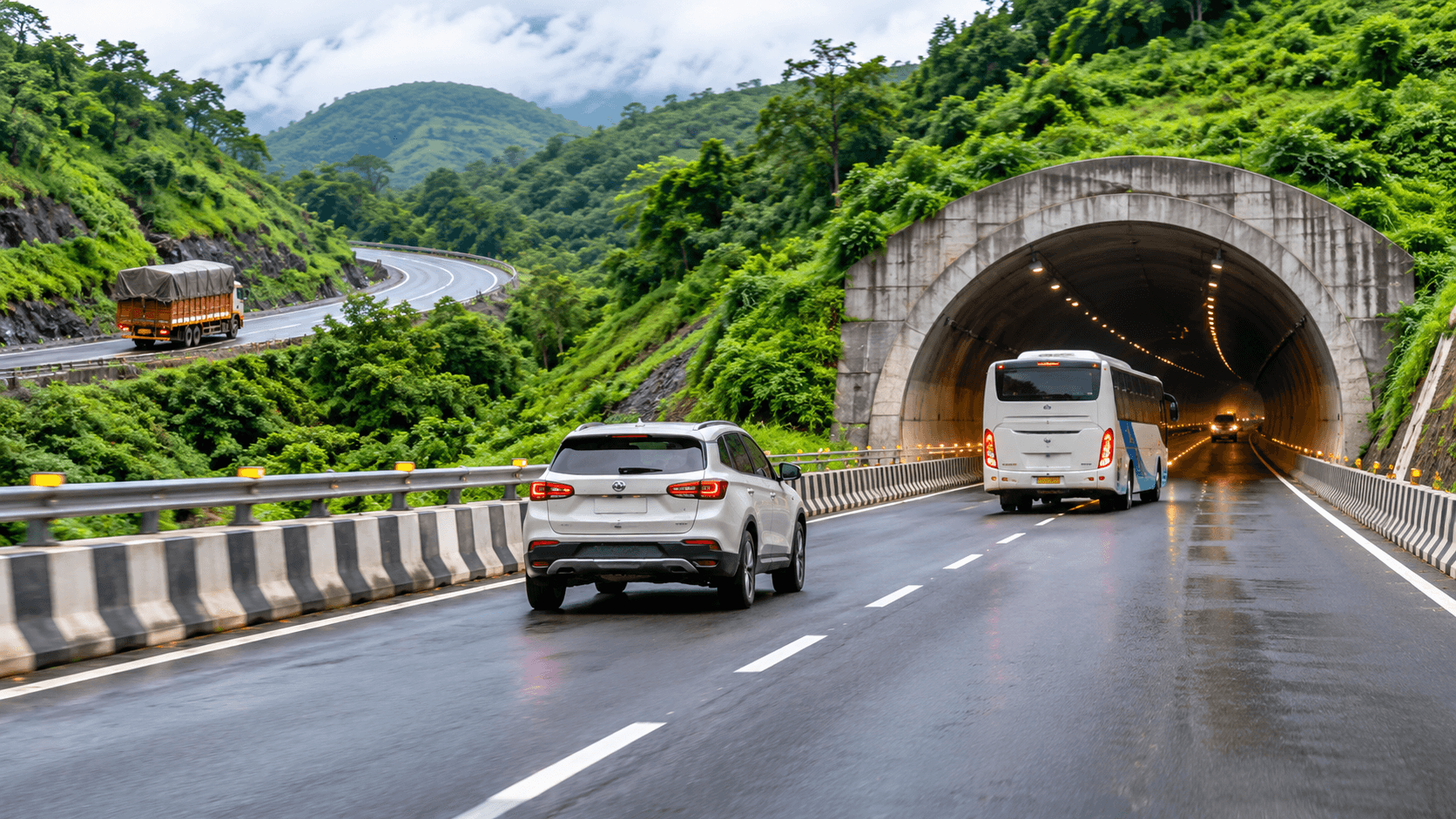
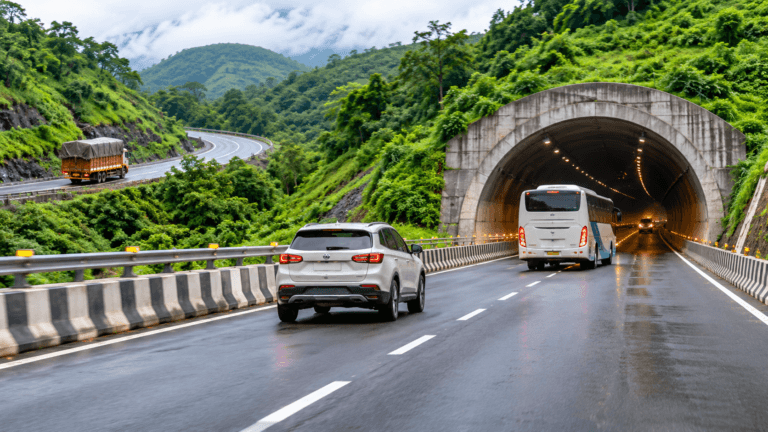
Illustrative image for the Mumbai–Pune Expressway Connecting Link safety update. Not a photograph of the actual road.
New route, new rules—and a safety decision every driver must get right. From 1 November 2026, revised vehicle restrictions apply to the Connecting Link, also known as the Missing Link, on the Mumbai–Pune Expressway. If you are planning a journey between Mumbai and Pune, checking whether your vehicle is permitted is now part of trip preparation.
The Maharashtra Highway Police notification, issued on 26 October and reported by multiple news organisations, continues the ban on goods-carrying vehicles on the Connecting Link until further orders. It also specifies maximum speeds of 100 km/h for permitted private cars and other non-transport light motor vehicles, and 80 km/h for passenger buses and other permitted passenger vehicles. The restrictions are linked to the technical design of the tunnel section and commuter safety.
What changes from 1 November 2026?
The Connecting Link joins the Khopoli and Kusgaon sides of the Mumbai–Pune Expressway and passes through major tunnel infrastructure. The new alignment opened to traffic on 1 May 2026. Goods vehicles had been kept off the route during the initial operating period; the revised notification continues that restriction after the first six months.
Vehicles permitted on the Connecting Link
- Private cars and jeeps.
- Other non-transport light motor vehicles permitted by the notification.
- Passenger buses and other permitted passenger vehicles.
Vehicles that must use the original expressway alignment
- All goods-carrying vehicles, including trucks and containers.
- Light goods carriers and small commercial vehicles, including pickup vans and Tata Ace-type vehicles.
- Vehicles carrying inflammable, explosive or other hazardous materials.
Do not assume that a small goods vehicle is exempt because it is physically similar in size to a private car. Vehicle use and registration category matter. If your vehicle carries goods, confirm the applicable classification and take the original Mumbai–Pune Expressway route rather than entering the Connecting Link.
Speed limits: 100 km/h for cars, 80 km/h for buses
The reported notification sets a maximum speed of 100 km/h for private cars and other permitted light motor vehicles and 80 km/h for passenger buses and other permitted passenger vehicles. These are upper limits, not target speeds. Rain, poor visibility, traffic, roadworks, tunnel conditions or a vehicle fault may require you to travel more slowly.
Do not treat any enforcement tolerance mentioned in media coverage as permission to exceed the posted limit. Follow the displayed signs and instructions of highway police at all times.
Why vehicle segregation matters
Tunnels and high-speed expressway sections demand predictable vehicle movement. A goods vehicle may have different acceleration, braking, load and manoeuvring characteristics from a passenger car. Separating vehicle categories can help reduce speed differences and conflict points in a constrained corridor, support smoother traffic flow and make route management more predictable.
That does not mean a restriction alone can guarantee accident-free travel. Drivers still need to obey speed limits, maintain safe gaps, stay alert and follow traffic controls. The rule works best when every road user understands it and complies.
Do’s: what motorists and fleet operators should do
- Check your vehicle category before departure. Confirm whether your vehicle is a permitted non-transport LMV, passenger vehicle or goods vehicle.
- Plan the correct route. Goods vehicles and vehicles carrying hazardous materials must use the original expressway alignment, as directed by the notification.
- Respect the maximum speeds. Keep within 100 km/h for permitted cars and LMVs and 80 km/h for permitted passenger buses, while reducing speed further when conditions demand.
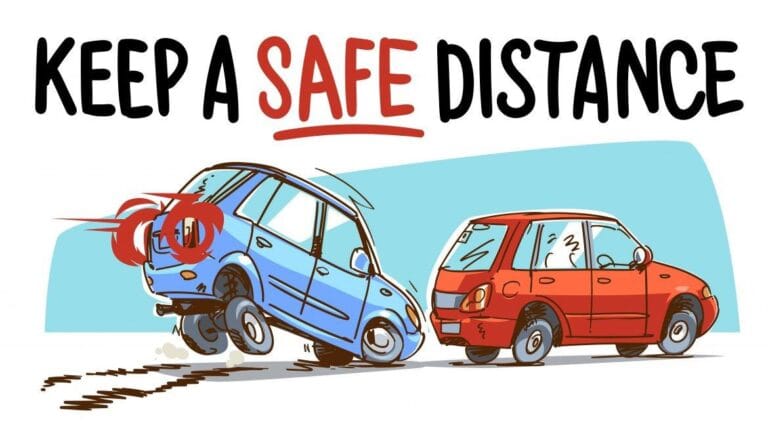
- Maintain a safe following distance. Avoid tailgating, sudden braking and abrupt lane changes, especially near tunnel entrances and exits.
- Use headlights appropriately. Make your vehicle visible in tunnels and follow the lighting and lane instructions displayed on the route.
- Check vehicle condition. Inspect tyres, brakes, lights, mirrors and wipers before a long expressway journey.
- Brief professional drivers. Fleet supervisors should update route plans, dispatch instructions and driver briefings to reflect the revised restriction.
- Follow live instructions. Obey police directions, electronic signs and temporary diversions if conditions change.
Don’ts: mistakes to avoid
- Do not enter the Connecting Link in a truck, container, pickup van, goods carrier or other prohibited goods vehicle.
- Do not carry inflammable, explosive or hazardous materials through the restricted link.
- Do not assume that a small commercial vehicle is allowed because it is compact.
- Do not treat 100 km/h or 80 km/h as speeds that must be maintained in every condition.
- Do not follow another vehicle through a restricted entry or ignore a diversion sign.
- Do not stop, reverse or make a U-turn in a tunnel or on the expressway except as directed by authorised personnel or required by an emergency.
- Do not use a mobile phone while driving or allow schedule pressure to influence safe decisions.
Benefits of following the revised rules
- Fewer vehicle conflicts: separating goods traffic from permitted passenger traffic can reduce differences in vehicle movement inside a constrained tunnel corridor.
- More predictable journeys: knowing the correct route before departure helps avoid last-minute diversions and unsafe manoeuvres.
- Better fleet planning: transport operators can allocate routes, journey times and driver instructions correctly.
- Improved compliance: clear vehicle categories and speed limits make it easier for drivers to understand what is expected.
- Safer tunnel travel: disciplined speed, lane use and vehicle selection support a more controlled traffic environment.
A special reminder for truck and bus operators
Dispatch teams should not rely on a driver’s memory or an old route sheet. Update GPS route plans, trip sheets, driver WhatsApp briefings and control-room instructions. Confirm that pickup vans and small goods vehicles are classified correctly. If a vehicle is prohibited from the Connecting Link, the alternate route must be planned before the trip begins.
For passenger bus operators, brief drivers on the 80 km/h maximum, safe following distance, tunnel discipline and the need to reduce speed whenever conditions require. A schedule should never encourage a driver to recover time by speeding.
Before you leave: a 30-second safety check
- Is my vehicle permitted on the Connecting Link?
- Am I carrying goods or hazardous material that requires the original route?
- Have I checked the current signs and traffic instructions?
- Are my tyres, brakes, lights and mirrors in good condition?
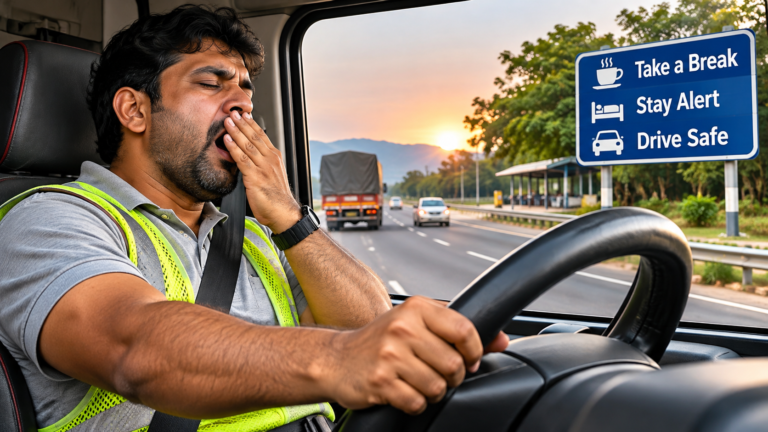
- Am I alert, rested and ready to drive responsibly?
A faster route is useful only when it is used correctly. The safest journey begins before the engine starts—with the right vehicle, the right route and the right decision.
DRIVE SAFE. STAY SAFE.
@SafeRoadLife
Sources and further reading
- ET Auto / Press Trust of India: Mumbai–Pune Expressway link to ban goods vehicles from November 1 (26 October 2026)
- Hindustan Times: No goods vehicles on Missing Link from November 1 (26 October 2026)
- Free Press Journal: Goods vehicles to remain banned from November 1 (26 October 2026)
- Maharashtra Highway Traffic Police: Official notices portal
- Government of Maharashtra, Satara District: Missing Link project notification and route opening information
Related SafeRoadLife reading: Highway safety lessons from the Kenya bus–truck crash · More road safety awareness articles.
About the Author


1 thought on “Mumbai–Pune Expressway New Rules From 1 November 2026: Goods Vehicle Ban and Speed Limits”