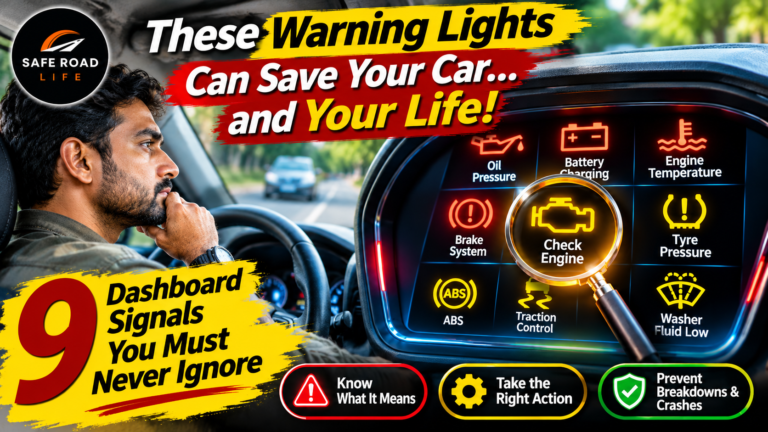
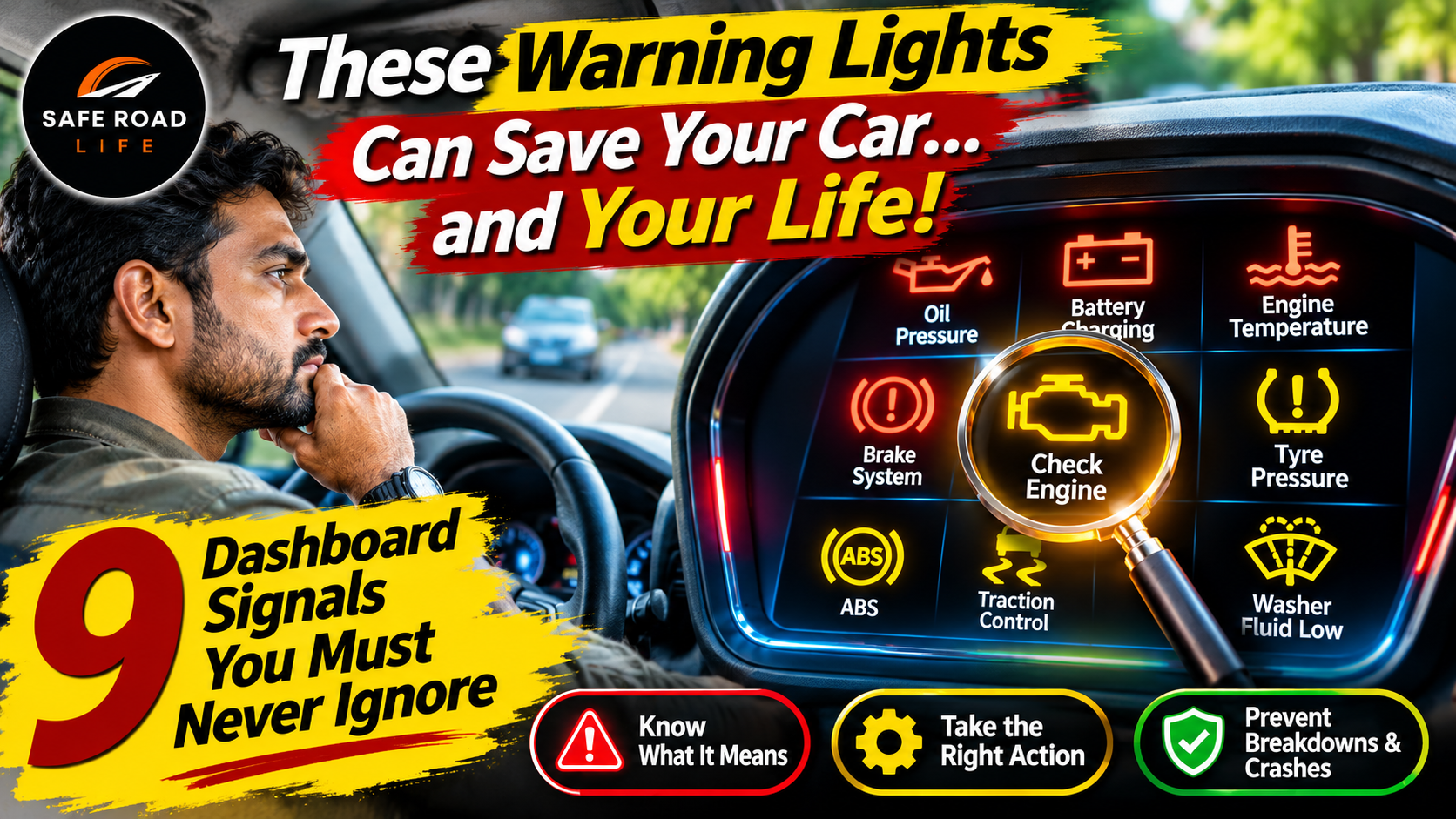
A small symbol lights up on your dashboard. You glance at it, hope it disappears, and keep driving. That decision can turn a manageable warning into an expensive breakdown—or put you and other road users at risk.
Your dashboard is your vehicle’s communication system. Warning lights can alert you to low oil pressure, overheating, braking faults, tyre-pressure problems and electrical issues. Some require you to stop as soon as it is safe. Others mean you should drive cautiously and arrange an inspection promptly.
Important: Warning symbols, colours and operating instructions can vary by make, model and year. Always check your vehicle owner’s manual. The guidance below is a general safety guide, not a substitute for the manufacturer’s instructions.
Red, amber and green: understand the difference
Red: Often indicates a serious fault or condition that needs immediate attention. Safely stop as soon as possible when the warning indicates you should, and switch off the engine if the manual instructs you to do so.
Amber or yellow: Usually signals a fault or condition that needs checking. Reduce risk, avoid hard acceleration or unnecessary journeys, and arrange diagnosis promptly. Some amber warnings also require you to stop—read the manual rather than relying on colour alone.
Green or blue: Usually confirms that a system is active, such as headlights or cruise control. These are generally status indicators, not fault warnings.
9 dashboard warning lights drivers must understand
1. Engine oil pressure warning
What it may mean: The engine may not be receiving adequate oil pressure. Continuing to run the engine can cause severe damage very quickly.
What to do: Safely pull over and switch off the engine. Do not continue driving to the next petrol pump or workshop. Check the owner’s manual and arrange professional assistance. If you know how and it is safe, check the oil level only after the vehicle is parked on level ground and the engine has cooled as instructed by the manufacturer. Adding oil does not automatically resolve a pressure fault.
2. Engine coolant temperature warning
What it may mean: The engine is overheating or the cooling system has a problem.
What to do: Reduce load and stop at a safe location. Follow the manual’s shutdown instructions. Never remove a hot radiator or coolant reservoir cap: pressurised hot coolant can cause serious burns. Let the vehicle cool and seek assistance if the warning remains or coolant is leaking.
3. Brake system warning
What it may mean: The parking brake may be engaged, brake fluid may be low, or the braking system may have a fault. The exact meaning depends on the vehicle.
What to do: If safe, check that the parking brake is fully released. If the warning stays on, braking feels different, the pedal feels soft, or another brake warning appears, stop safely and do not continue the journey. Arrange professional inspection or recovery.
4. Battery or charging system warning
What it may mean: The vehicle’s charging system may not be maintaining the battery charge. The issue could involve the alternator, belt, wiring or battery connections.
What to do: Turn off non-essential electrical loads if safe, avoid unnecessary driving and head to a safe stopping place or service facility as appropriate to the manual. The vehicle may stop once electrical power is depleted. If steering, braking or other systems behave abnormally, stop safely and seek help.
5. Check engine warning light
What it may mean: The engine management or emissions-control system has detected a fault. Causes range from relatively minor issues to problems that can damage the engine or affect performance.
What to do: If the light is steady and the vehicle feels normal, consult the manual and arrange a diagnostic check promptly. Avoid hard acceleration and long journeys until it is checked. If the light flashes, the engine runs roughly, power drops sharply or unusual noises occur, reduce load, stop safely and seek assistance. A flashing light can indicate a fault that may cause further damage.
6. Tyre pressure monitoring warning
What it may mean: One or more tyres may be underinflated, or the monitoring system may have a fault. A tyre-pressure warning is not a substitute for checking the tyres themselves.
What to do: Slow down smoothly and stop somewhere safe to inspect the tyres. If a tyre looks damaged, is losing air rapidly or the vehicle pulls to one side, do not continue driving on it. Check pressures when tyres are cold and inflate to the vehicle manufacturer’s recommended values—not the maximum printed on the tyre sidewall.
7. ABS warning light
What it may mean: The anti-lock braking system may not be functioning correctly. In many vehicles, normal braking may still be available, but the anti-lock function could be disabled. If the ABS warning appears together with a brake-system warning, treat it as more serious.
What to do: Drive only if the brakes feel normal and the manual permits it; leave extra distance, reduce speed and avoid sudden braking. Arrange prompt inspection. If braking feels abnormal or the red brake warning is also on, stop safely and seek assistance.
8. Airbag or SRS warning
What it may mean: The airbag or supplementary restraint system may have a fault. One or more airbags or seat-belt pretensioners may not work as designed in a crash.
What to do: Arrange an inspection by an authorised or suitably qualified technician as soon as possible. Do not try to repair, disconnect or probe airbag wiring yourself. Continue to wear seat belts correctly on every journey.
9. Power steering warning
What it may mean: The power-steering assistance may be reduced or unavailable. Steering can become much heavier, especially at low speeds.
What to do: Keep both hands on the steering wheel, reduce speed smoothly and move to a safe place. Do not make abrupt turns. Follow the manual and arrange assistance if the warning remains or steering effort changes suddenly.
When should you stop immediately?
Do not gamble with warnings that may indicate immediate danger. Safely pull over and follow the vehicle manual if you see an oil-pressure warning, an overheating warning, a serious brake warning, or a flashing engine warning—especially if the vehicle is running roughly. Stop too if you notice smoke, a burning smell, fluid leaking, loss of braking, or sudden changes in steering or vehicle control.
Choose a safe stopping place away from moving traffic. Switch on hazard lights when appropriate, keep occupants away from danger and call roadside or emergency assistance if needed. Never stop in a live lane unless the vehicle cannot be moved safely.
5 dashboard habits every driver should follow
- Read the owner’s manual and learn the warning symbols before a long journey.
- Notice which lights appear during the normal start-up self-check and which remain on after starting.
- Never cover, ignore or disable a warning light to avoid a repair.
- Get recurring warnings diagnosed; clearing a code does not fix the underlying fault.
- Before a highway trip, check tyres, fluid levels and scheduled maintenance according to the manual.
Dashboard warning light checklist
Remember: Identify the symbol. Check the colour and whether it is flashing. Notice any change in sound, smell, temperature, braking or steering. Find a safe place to stop if the warning indicates danger. Consult the manual and call professional help when unsure.
Your dashboard is not trying to distract you. It is giving you information that can help prevent a breakdown or a dangerous situation. Learn the signals, respond early and never let a warning light become background decoration.
Share this guide with new drivers, family members and anyone who travels long distances. Knowing what a warning means is part of responsible driving.
DRIVE SAFE. STAY SAFE.
@SafeRoadLife
Related SafeRoadLife guides
- A Breakdown on the Highway Can Turn Deadly: 9 Rules to Keep Everyone Safe
- Vehicle Fire on the Road? 8 Steps to Protect Everyone Before Help Arrives
- Tyre Burst Highway Safety Guide
Trusted reference
Dashboard symbols and required actions differ between vehicles. For the exact meaning of a warning and the correct response, use the owner’s manual supplied by your vehicle manufacturer or its official digital manual.
About the Author